
Owner-operated · Orlando Local
Wall Plastering in Orlando
Plaster repair and restoration for Orlando homes, done by the owner on every job.
Request an estimate
Tell us what you need
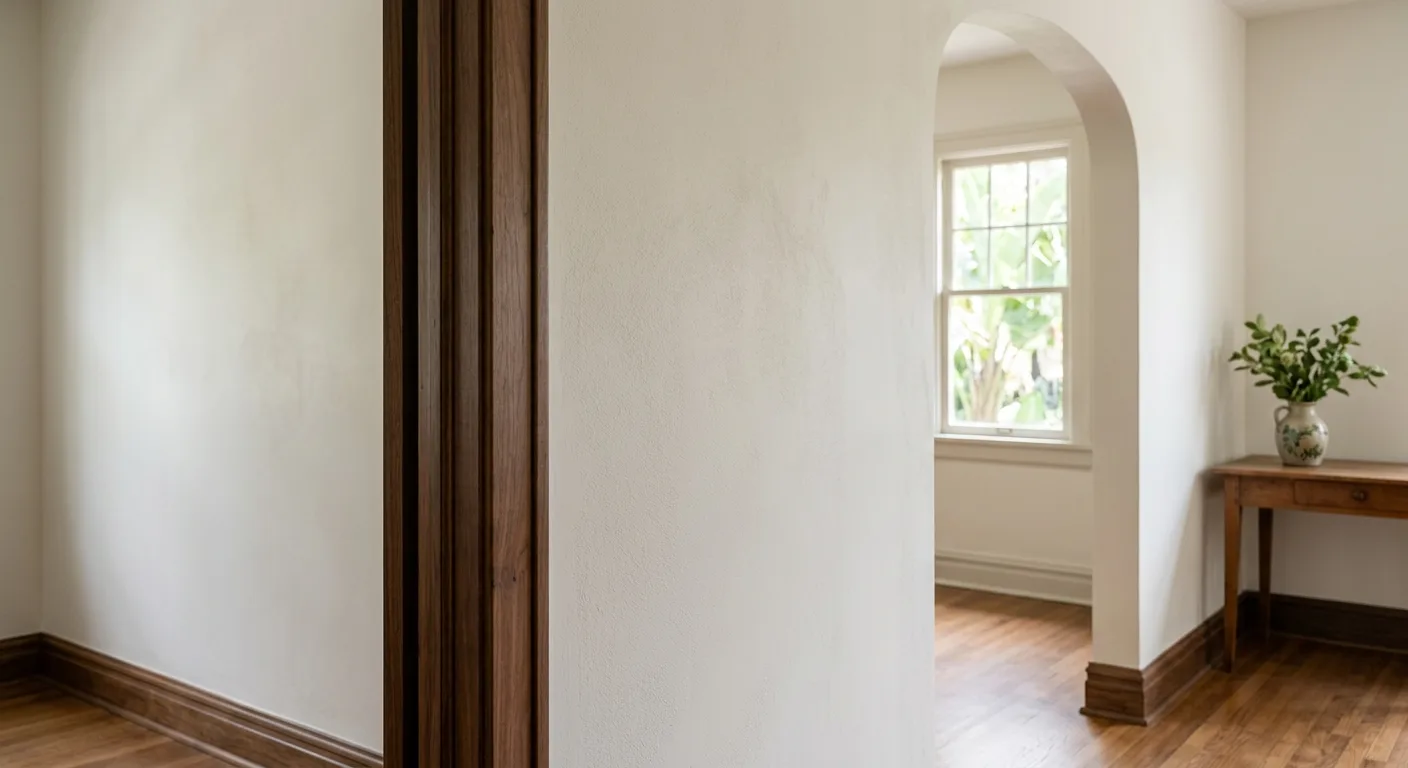
Orlando Wall Plastering That Holds Up
Flawless Finish Drywall handles wall plastering in Orlando for homeowners dealing with cracked, crumbling, or failing plaster walls. Whether you're restoring a College Park bungalow with original lime plaster or patching a section where moisture got behind the surface, Colton Shadron does the work personally. Call (407) 457-1054 for a free look at what you're dealing with.
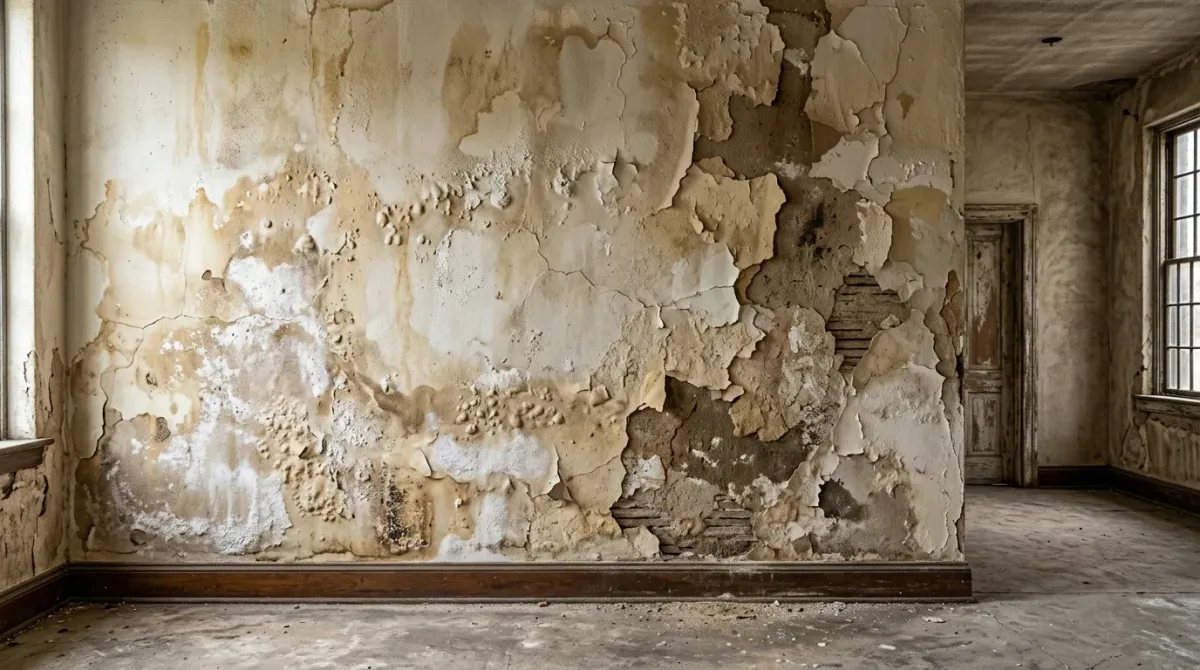
Plastering isn't the same thing as drywall finishing, and most Orlando homeowners don't know the difference until a contractor quotes the wrong process. Plaster is a multi-coat system applied over a substrate, either original lath or modern blueboard. When it fails, you'll see hairline cracks, soft spots, or entire sections pulling away from the wall. The repair approach depends on what caused the failure: age, moisture intrusion, a bad patch from years back, or seasonal movement in the home's framing. Central Florida's humidity alone is enough to accelerate plaster deterioration in homes that weren't built with modern vapor barriers. Scope, surface condition, substrate type, and the extent of delamination all drive what the job costs. Every job is different -- contact Flawless Finish Drywall for an accurate estimate.
The Problem
Why Plaster Fails in Florida Homes Fails
Orlando's climate does things to plaster that a dry-climate contractor won't anticipate.
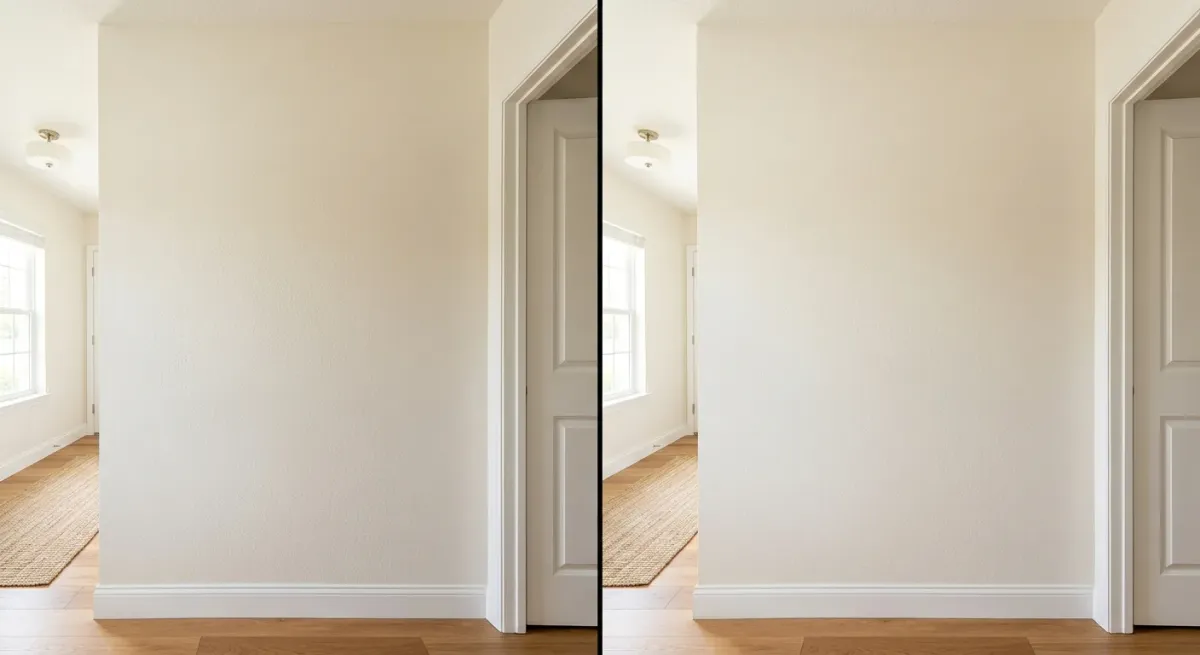
Plastering vs. Drywall Finishing: What's the Actual Difference
Our Process
How Proper Plaster Repair Actually Works
- 01
Assess and Clear the Damage
Tapping the wall to find hollow sections, probing cracks to gauge depth, and checking the substrate condition before touching anything. Skipping this step is how you get a patch that fails in six months.
- 02
Prepare the Substrate
Remove all loose or delaminated material back to a stable edge. On original lath systems, that means exposing solid keys. On blueboard, it means cutting a clean perimeter. The patch has to bond to something solid, not something that's already failing around it.
- 03
Build Up, Match, and Finish
Apply base coat, let it cure, then apply finish coat matched to the texture and density of the surrounding wall. In high-humidity environments like Orlando, this step cannot be rushed. A finish coat applied over a still-wet base will crack. Full cure time is built into the job, not cut to meet a schedule.
Can You Plaster Over Drywall? Sometimes, Yes.
What Flawless Finish Handles on Every Plaster Job
Hairline Crack Repair
Shallow cracks from seasonal movement are filled, stabilized, and finished so the surface reads flat. These are common in older Central Florida homes where the framing dries out and shifts through summer.
Full Section Replacement
When plaster has fully delaminated or crumbled, the damaged section is removed cleanly and rebuilt in coats. No shortcuts around the edges where new material meets old.
Texture Matching
Getting a patch to disappear means matching the finish coat texture of the surrounding wall. Older Orlando homes each have their own texture character and the patch has to reflect that, not just fill the hole.
Moisture-Damaged Plaster
If water got in, the repair has to account for where the water came from, not just what it did to the surface. We assess the source before applying new material. See also our drywall repair work for water-affected walls.
Skim Coat Over Drywall
For homeowners wanting a plaster-quality finish on new or existing drywall, a thin finish coat achieves that hardness and smoothness. Popular in renovations where the new walls need to match original plaster character.
Historic and Mid-Century Restoration
Older neighborhoods like College Park and Altamonte Springs have homes where original plaster is part of the character. We restore, not just replace, where the wall warrants it.
Why the Finish Coat Matters as Much as the Repair
- 01
Density
Plaster finish coats are harder than drywall compound. A patch that's softer than the surrounding wall telegraphs through paint, especially in raking light.
- 02
Texture
Original plaster surfaces have a character that comes from tool marks, aggregate, and application technique. Matching it requires looking at the existing wall, not reaching for a standard texture setting.
- 03
Paint Readiness
Plaster has to be fully cured and properly primed before paint goes on. Skipping primer on fresh plaster causes the paint to absorb unevenly and the patch shows. We call it out before we leave.
What Flawless Finish Drywall Brings to the Job
Colton Shadron has spent 4 years in the drywall and plastering trade. He shows up personally, assesses the wall, and does the work.
- Owner on every job
- Colton Shadron works the job, not just the estimate
- 4 years in the trade
- Focused on drywall and plaster, not general contracting
- Free estimate before any work begins
- Call (407) 457-1054 to schedule
- Serving Greater Orlando and surrounding areas
- Including Winter Park, Ocoee, Windermere, and more
Wall Plastering Questions Orlando Homeowners Ask
What's the difference between wall plastering and drywall finishing?
How does Florida's humidity affect plaster adhesion and longevity?
Can you plaster over existing drywall, or does the drywall need to come out?
What causes plaster to crack in older Orlando homes?
How long does a plaster finish coat take to cure in Orlando's climate?
Is replastering more expensive than a standard drywall repair for the same damaged area?
Wall Plastering Across Greater Orlando
Flawless Finish Drywall serves homeowners throughout the Orlando metro. Older neighborhoods with original plaster construction are where most plastering calls come from.
- OrlandoBase
- Winter Park
- College Park
- Windermere
- Ocoee
- Winter Garden
- Altamonte Springs
- Apopka
- Lake Mary
- Maitland
- Casselberry
- Longwood
- Sanford
- Winter Springs
- Dr. Phillips
- MetroWest
- Baldwin Park
- Celebration
- Kissimmee
Ready to Restore Your Walls?
Cracked, crumbling, or peeling plaster doesn't get better on its own. Call Colton directly for a look at what you're working with.
Related
Next step
Tell us about the job
Your name, your number and what needs doing. A person from flawless finish drywall gets back to you.
Rather talk now?(407) 457-1054